
What Homeowners Should Know Before Moving a Manufactured Home Onto Land
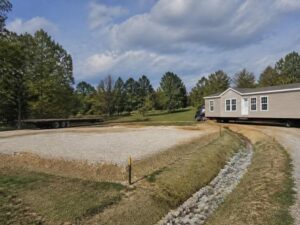
Buying the land is the easy part. Getting a manufactured home to sit on it legally and safely is where people trip up. A residential survey answers the questions that decide whether your plan even works. It tells you if the lot fits the home, if the setbacks allow it, and if a truck can reach the spot. Skip that step, and you can pay for a home the land won’t accept.
Moving a Manufactured Home Starts With Knowing Whether the Land Can Accept It
Land looks simple from the road. Flat enough, wide enough, done. The rules underneath tell a different story.
Zoning decides whether a manufactured home is even allowed on that parcel. Some areas permit them freely. Others limit them or ban them outright. That’s the first thing to check, because a zoning “no” stops the whole plan cold.
Then come the site questions. Where are the real boundaries? How much of the lot is buildable after setbacks? Can a delivery truck get in? Does the ground need work before anything sits on it? These answers should come before you schedule delivery, not after the home is halfway down the road. Ordering the home first and checking the land second is how people end up stuck.
The Property Needs Enough Usable Space for the Home and Its Required Setbacks
A lot’s total size is not its usable size. Setbacks carve a smaller box inside the boundary, and the home has to fit that box. On paper the parcel may look plenty big. After the required gaps on each side, the real space can shrink fast.
Other features take a bite too. Easements can cross the middle of the lot and block placement. A steep slope may rule out a section. Low, wet areas that hold water are poor spots for a home. Each one narrows where the unit can legally and safely sit.
A residential survey maps all of it at once. It shows the true corners, the setback lines, the easements, and the rough shape of the ground. With that in hand, you can see if your home model actually fits. Better to learn the double-wide won’t work before it’s built than after it arrives.
Delivery Routes Can Matter as Much as the Final Placement
The home has to get there first. That sounds obvious, and it’s the step people forget most. A manufactured home rides in on a wide, long, heavy transport. The path in has to handle it.
Think about what sits between the highway and your lot:
- Narrow roads that a wide load can’t pass on
- Sharp turns a long trailer can’t swing
- Low bridges or weight limits that block the truck
- Overhead power and phone lines hanging too low
- Trees, gates, and fences that pinch the route
- Soft or muddy ground the truck can sink into
Any one of these can stop delivery at the last mile. Then you’re paying for a stuck load and a scramble to fix it. Walk the full route early, or have someone check it, so the home reaches the site without drama.
Ground Conditions and Elevation Can Affect How the Home Is Installed
Getting the home to the spot is half the job. The ground has to be ready to hold it. Raw land rarely is.
Grading often comes first. The pad needs to be level and firm, and water needs a way to drain away from the home. A site that sheds water toward the unit invites problems down the line. Elevation differences across the lot can force extra fill, extra grading, or a different foundation approach.
Soil matters too. Some ground supports a foundation with little fuss. Other soil is soft or shifts, which changes what the installation needs. The foundation type depends on these conditions and the local code. A survey that captures elevation and drainage gives your installer the ground truth they need to plan the pad and footings right. Guess at this, and the fix comes after the home is set, which is the worst time to find out.
A Site Review Helps Homeowners Avoid Problems Before the Home Is Delivered
Checking the property early is the cheapest insurance in this whole process. One coordinated look at the boundaries, setbacks, access route, and ground conditions answers most of the questions that sink these projects. You learn what fits and what doesn’t while you still have room to adjust.
That review shapes real decisions. You pick a home size the lot can hold. You choose a placement that clears the setbacks and the easements. You confirm the truck can reach the pad. You flag grading or drainage work before the crew shows up. Each choice rests on measured facts instead of a hopeful glance at open ground.
Bring a surveyor in before you order the home, not after. A site checked early turns a risky move into a planned one. A problem found after delivery turns into delay, extra cost, and a home sitting where it shouldn’t. The survey clears those risks before the transport ever pulls in.
Frequently Asked Questions
Do I need a survey before placing a manufactured home on land?
A survey is one of the smartest first steps. It confirms the true boundaries, the setback lines, and any easements that limit where the home can sit. It also captures ground and elevation details your installer needs. Skipping it risks placing the home in a spot the rules or the land won’t allow.
Can I put a manufactured home on any lot I buy?
Not always. Local zoning decides whether a manufactured home is allowed on a given parcel, and some areas restrict or prohibit them. You should confirm the zoning before you buy or order the home. A quick check with the local planning office saves you from a costly dead end.
What setbacks apply to a manufactured home?
Setbacks depend on the parcel’s zoning and lot type, and they set required gaps from each property line. Those gaps shrink the space the home can occupy. A residential survey shows the exact setback lines against your real boundaries. Always confirm the specific numbers with your local zoning office before you plan placement.
Why does the delivery route matter so much?
A manufactured home arrives on a wide, long transport that needs a clear path. Narrow roads, tight turns, low bridges, and overhead lines can all block it. Checking the route early prevents a stuck load and last-minute costs. It’s a step many buyers overlook until the truck can’t reach the site.
What ground work is usually needed before installation?
Most sites need grading to create a level, firm pad with proper drainage away from the home. Soil conditions and elevation differences can call for fill or a specific foundation approach. A survey that captures elevation and drainage helps your installer plan this correctly. The right prep before delivery avoids expensive fixes later.
For a free land surveying quote, call us at (571) 200-5708 or send us a message by going here.
Posted in land surveying, land surveyor | Tagged Land Surveying
