
Planning EV Chargers? Start With a Parking Lot Survey
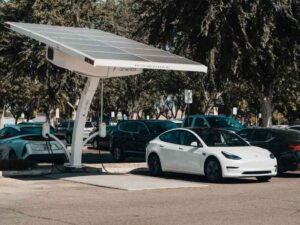
EV chargers look simple. A post. A cord. A parking space. But putting one in the right spot is not that simple. It takes work with grading, drainage, and buried utility lines. Many property owners do not think about this until a contractor hits a pipe or a charger blocks a fire lane.
Land surveying fixes this problem before it starts. A parking lot survey gives your design team real facts about the lot. It shows the slopes, the utilities, and the current conditions. This helps chargers go in spots that actually work.
more retail centers, office parks, and apartment buildings are adding EV chargers. Demand is growing, and so are local incentives. Starting with a survey saves time and stops rework later.
What Should a Parking Lot Survey Capture Before EV Design?
A good parking lot survey shows more than just the property lines. It should show the real conditions on the ground. This helps your team know where chargers, wires, and equipment can go.
At minimum, the survey should show:
- Pavement condition and parking stall layout
- Curb lines, striping, and accessible parking spots
- Drive lanes, fire lanes, and loading zones
- Elevation across the lot
- Visible utility items like manholes, transformers, and light poles
- Landscape islands and any structures in the lot
Your engineer or electrician uses this map to plan charger spots. Without it, early design is just a guess.
Why Timing Matters
Order the survey before your team starts drawing the charger layout. Fixing a design later because of a slope problem or a utility conflict takes more time than doing it right at the start.
Where Can EV Chargers Fit Without Disrupting Parking Operations?
Every parking lot already works a certain way. Drive lanes need open space. Accessible spots have rules to follow. Fire lanes must stay clear. Adding chargers means fitting new equipment into a lot that was not built for it.
A survey helps you find spots that will not cause traffic or access problems. This includes:
- Checking clearance for charger posts near drive lanes
- Making sure ADA paths stay clear
- Confirming chargers do not block fire department access
- Finding spots close to power sources, so wiring stays short
Many lots are tight on space, especially near Old Town and Del Ray. A survey shows exactly how much room you have before you commit to a layout.
How Do Elevations Affect EV Charger and Equipment Placement?
Slope matters more than most people think. Chargers and electrical equipment need level ground. This also helps meet access rules for nearby parking spots.
A survey with good elevation data helps your team:
- Spot areas with too much slope that may need grading
- Check drainage, so equipment does not sit in a low spot
- Avoid spots where water pools after rain
- Plan concrete pads that meet slope rules
gets heavy rain at times, and older lots do not always drain well. A topographic survey catches these problems early, before construction starts.
What Existing Utilities Must Be Located Before Installation?
This is where many EV projects run into trouble. Buried utilities are not always where old site plans say they are. This is common in older properties that have changed hands or been rebuilt over time.
Before work begins, confirm the location of:
- Electric lines and transformers
- Water and sewer lines
- Storm drain pipes
- Gas lines, if present
- Phone and fiber lines
A survey paired with a utility locate helps your electrician plan safe paths for new wiring. Hitting an unmarked line causes delays, repair costs, and safety risks.
If your property has been renovated more than once, ask your surveyor if the old records are still accurate. Many older sites have utilities that were never mapped correctly.
How Survey Data Supports EV Site Plans and Construction
Once you have real survey data, your team can move forward with confidence. Plans built on real field facts work far better than plans based on guesses or old drawings.
Survey data helps in a few ways:
- Engineers use it to plan wiring paths and equipment pads
- Contractors use it to plan digging and avoid utility conflicts
- Some cities require it for permits on larger projects
- Property owners use it to check that the project fits the site
Permit rules for EV chargers can be different depending on your city and your project size. Check what requires before you finish your design. Small projects may need little review. Larger projects with many chargers often need more detailed plans.
If your project has a deadline tied to a lease, an incentive, or a construction schedule, build survey time into your plan early. Rushing this step often causes the exact problems a survey is meant to prevent.
Frequently Asked Questions
Do I need a full boundary survey to install EV chargers?
Not usually. Most EV charger projects only need a parking lot survey that covers site conditions, utilities, and elevation. A full boundary survey is not always required, but this can change based on the project.
How long does a parking lot survey take for EV planning?
It depends on the size of the lot and how complex it is. Small, simple lots move faster than large or mixed-use properties.
Can a survey help avoid utility conflicts during installation?
Yes. Finding utility lines before design work starts lowers the risk of hitting an unmarked line during digging. This saves time and avoids costly delays.
For a free land surveying quote, call us at (571) 200-5708 or send us a message by going here.
