
Buying a Waterfront Condo? Request an Elevation Certificate
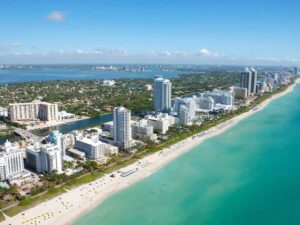
Water views come with a price tag, and part of it shows up in flood costs. Buyers often focus on the unit, the balcony, and the monthly fees. The building’s height compared to expected floodwater gets far less attention, even though it can affect insurance, association costs, and resale.
An elevation certificate helps fill that gap. It records how high the building’s lowest floor and key equipment sit compared to the flood level shown on FEMA’s maps. For condo buyers, agents, and lenders, it turns a vague flood zone label into real numbers. Ask whether one exists before you’re deep into the contract.
Why Elevation Certificates Matter When Buying Waterfront Condos
Condo buyers own a unit, but they share the building with everyone else. If floodwater reaches the lobby, garage, or mechanical rooms, the whole association pays for repairs. Those costs can show up as higher fees or special assessments.
An elevation certificate helps you understand that shared risk. It shows whether the lowest parts of the building sit above or below the expected flood level. Parking garages, storage rooms, and equipment areas often sit lowest, so they matter a lot.
The certificate won’t predict every storm. It does give you a fact-based view of how the building was built compared to known flood levels. That’s useful when you compare buildings or weigh an offer.
Checking FEMA Flood Zones Before a Waterfront Condo Purchase
FEMA’s flood maps divide land into zones based on flood risk. High-risk zones are often called special flood hazard areas. Buildings in these zones face a greater chance of flooding during a major storm.
You can look up a property on FEMA’s online flood map service. Search the address and note the zone and the base flood elevation, which is the expected height of floodwater in a major flood. Some waterfront areas may also face coastal wave action, which can raise the risk further.
The map tells you the zone, but not how the building fits within it. Two buildings in the same zone can sit at very different heights. That’s where the elevation certificate comes in.
What an Elevation Certificate Reveals About Condominium Building Elevations
An elevation certificate is a FEMA form that records key heights for a building. It’s prepared by a licensed land surveyor, engineer, or architect. For condos, it covers the whole building, not just one unit.
The certificate typically shows:
- The flood zone and base flood elevation
- The height of the lowest floor, including garages or basements
- The height of the ground next to the building
- The height of key equipment, such as electrical rooms or HVAC systems
- The building’s foundation type and flood openings, if any
Look closely at the lowest floor and the equipment heights. A building with living units well above the flood level may still have parking or systems below it. That can affect repairs and association costs after a flood.
How Elevation Information Supports Flood Insurance and Mortgage Decisions
Condo flood coverage often works on two levels. The association may carry a master flood policy for the building. Unit owners can buy their own policy for contents, interior improvements, and some shared costs.
Under FEMA’s current rating approach, an elevation certificate isn’t required to buy a policy through the National Flood Insurance Program. It can still be submitted, and it may affect pricing in some cases. Ask an insurance agent to review it with you before you commit.
Lenders may require flood insurance if the building is in a high-risk zone and the loan is federally backed. Many lenders also review whether the association carries adequate flood coverage. Requirements vary by lender and loan type, so confirm them early.
When to Request an Elevation Certificate During Condo Due Diligence
The best time is early, ideally when you first review the association’s documents. Ask the seller, the listing agent, or the property manager if a certificate is on file. Newer buildings in flood zones often have one from construction.
Check the date and the flood map it was based on. If the building has been renovated or the maps have changed, the certificate may be out of date. In that case, the association may decide to order a new one.
If no certificate exists, ask how the association handles flood insurance and planning. A missing certificate isn’t always a red flag. It does mean you’ll want answers from the association and your insurance agent before closing.
Frequently Asked Questions
Do waterfront condo buyers need an elevation certificate in Alexandria, VA?
Buyers aren’t always required to get one, but it’s often worth requesting. The certificate shows how the building sits compared to expected flood levels. That helps you weigh insurance costs and future association expenses. Lender and insurance needs vary, so check with both early in the process.
Can an elevation certificate help determine flood insurance requirements for a condo?
It can help with pricing, though it doesn’t decide whether insurance is required. Flood insurance requirements usually depend on the flood zone and the loan type. The certificate gives insurers more detail about the building’s actual heights. An insurance agent can explain how it may affect your policy.
Does an elevation certificate apply to an individual condo unit or the entire building?
It applies to the entire building. The form records the building’s lowest floor, nearby ground, and equipment. A fifth-floor unit shares the same certificate as a ground-floor unit. Your own risk inside the building may differ, but the certificate covers the structure.
Who can provide an elevation certificate for a waterfront condominium?
A licensed land surveyor, engineer, or architect can prepare one. The association or property manager may already have a copy on file. Some local floodplain offices also keep certificates for newer buildings. If none exists, the association usually decides whether to order one.
When should buyers request an elevation certificate before closing on a condo?
Request it as early as possible, ideally during your first document review. That gives you time to check insurance costs and talk with your lender. If the certificate is old or missing, you’ll need time to get answers. Waiting until right before closing can leave little room to act.
For a free land surveying quote, call us at (571) 200-5708 or send us a message by going here.
Posted in elevation certificate | Tagged elevation certificate
